





|
|
|
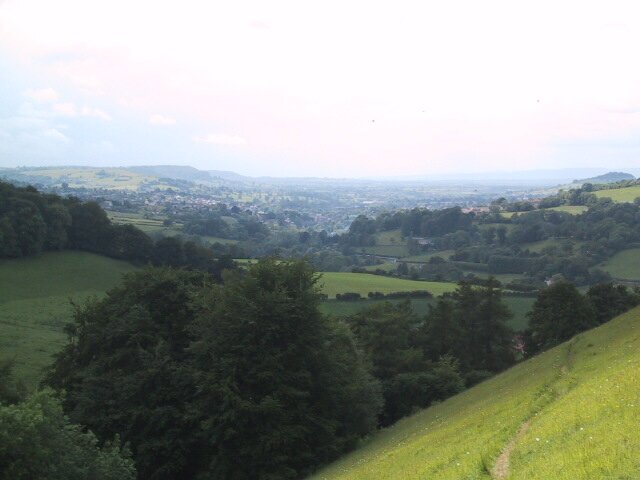
Click on thumbnail to view full size picture of Elliott Nature Reserve PAINSWICK to SLAD
Painswick is good enough to be a tourist trap but it isn't. Its very easy to imagine what life was like in the 1400's when much of the town was built. It grew rich on the wool trade. Cotswold wool was famous throughout Europe and Painswick was one of its great centres until the steam engines of the Industrial Revolution made it uncompetitive. The church is famous for the variety of its tombstones and the flat top ones are regarded as particularly unique. There are 99 Yew trees in the churchyard and legend has it that the 100th one wouldn't grow! Nobody is really sure why Yew is so common in churchyards. The tree is poisonous to cattle and I find the theory that the trees were planted as a deterrent to animals the most plausible. You might see some houses with very wide doors, these are called "donkey doors" and were built especially wide to accommodate a donkey loaded with wool. I found the service in the Chancellor tea rooms unbelievably poor and the cakes were indifferent. I wouldn't recommend it. (GPS length 6.86 miles). Pubs in Painswick. Slad has been promoted to stardom because the author Laurie Lee lived there. His most famous work "Cider with Rosie" related to his childhood experiences wandering the paths on this route, you might recognise some of it. Rosie herself was never named, if you meet an old lady, look twice, you never know! How to get there: Park in the Wick street car park. This is very easy to find. Painswick is on the A46 and the car park is 100mtrs south of the church.
|